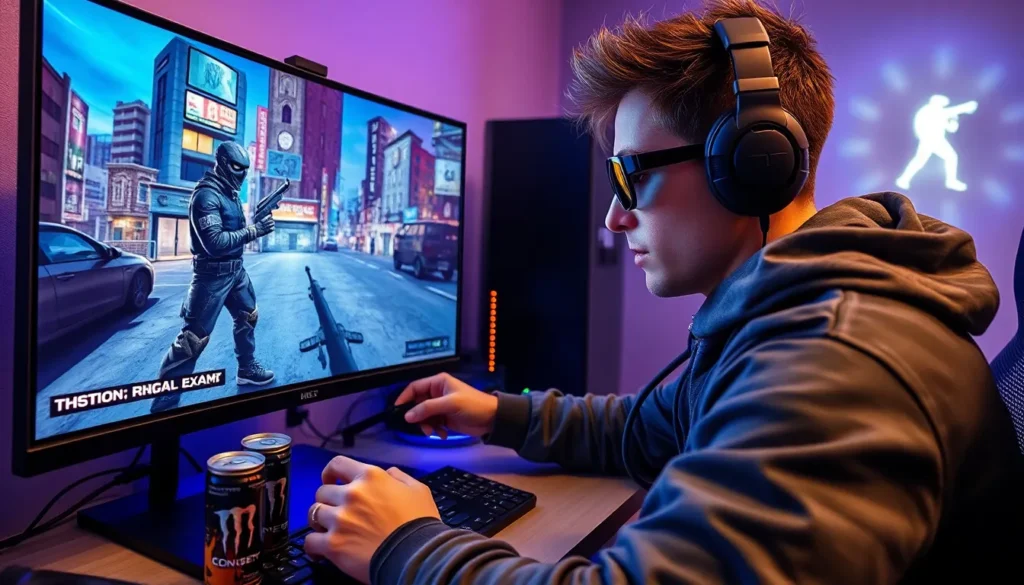

Just imagine a world where terrorists aren’t all doom and gloom. In Counter Strike, they bring strategy and adrenaline to the forefront of gameplay. Not only do they keep players on their toes, but they add layers of complexity that can energize the most mundane matchmaking sessions. So, grab your favorite energy drink, sit back, and let’s jump into the colorful universe of Counter Strike terrorists. It’s going to be more thrilling than a surprise knife round.
Understanding the Role of Terrorists in Counter Strike
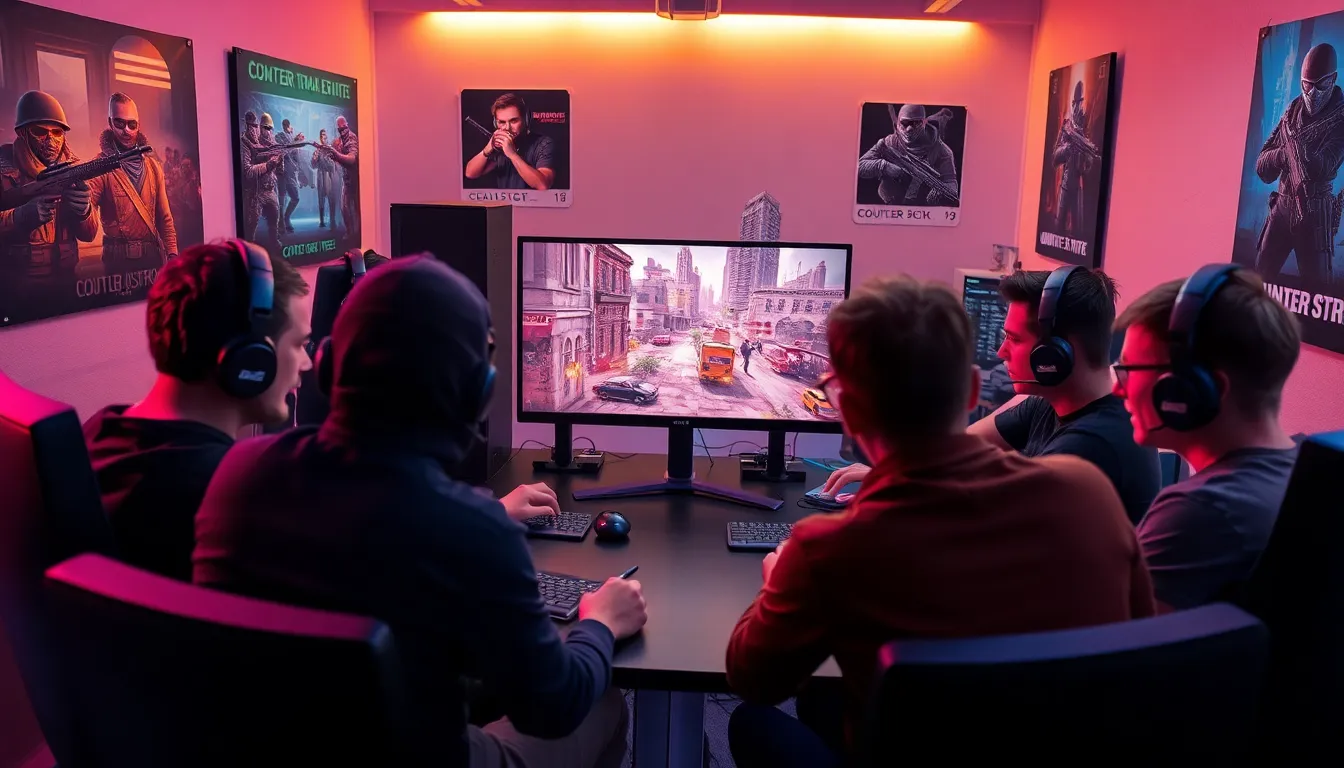
In the realm of Counter Strike, the terrorist faction is not just an obstacle but an integral part of the game’s dynamic ecosystem. Terrorists have specific objectives that players must accomplish, fostering engagement and teamwork. Their mission typically revolves around bomb planting, hostage taking, or assassination, each scenario demanding strategic thinking and precise execution. This multifaceted nature fuels not just the adrenaline rush but also the tactical depth of gameplay. Players must adapt on the fly, whether planting a bomb in a crowded point or defending their escape routes.
Also, the role of terrorists illustrates the balancing act that developers achieve. Terrorists, by design, can create tension and a substantial sense of urgency. They challenge the counter-terrorists, pushing each round to its limits. Players often feel compelled to innovate and outsmart their opponents, enhancing the overall gaming experience.
The History of Terrorist Characters in the Game
Since its inception in 1999, Counter Strike has evolved dramatically, reflecting changes in design and player expectations. The early iterations introduced players to a simplified visual style and rudimentary maps. Back then, terrorists were mostly generic representations, think random balaclavas and basic weaponry.
As Counter Strike grew, so did the representation of its terrorist characters. From rustic designs to more nuanced presentations, each update introduced layers of complexity. Developers began to incorporate real-world inspirations without overstepping geopolitical sensitivities.
By the time Counter Strike: Global Offensive launched in 2012, terrorists were more than just archetypes. They became rich characters, each associated with unique skins that reflect varied cultural backgrounds. This evolution showcases the growing ambition to create a more vibrant gameplay experience. Characters like the modern “Phoenix Connexion” reflect a deeper narrative, inviting players to explore these figures’ diverse histories and motivations.
Gameplay Mechanics Involving Terrorists
Strategies for Playing as a Terrorist
For any player stepping into the shoes of a terrorist, mastering strategies is paramount. The key is to leverage surprise and capitalize on the map’s intricacies. Smoke grenades play a significant role in obscuring vision, allowing players to plant bombs or maneuver into advantageous positions. Besides, predicting counter-terrorists’ responses enhances effectiveness.
Effective Map Control Tactics
Map control dictates the flow of any match. Understanding choke points, common hiding spots, and potential ambush locations gives terrorists an upper hand. Controlling high-traffic areas like bomb sites also allows for better movement overall. Map knowledge is power, and successful players use it to dictate game tempo.
Team Coordination and Communication
In Counter Strike, no player is an island. Effective communication can make or break a round. Coordinating attacks, sharing information about enemy locations, or even deciding when to retreat can determine the match’s outcome. Teams that practice good communication often find themselves dominating the scoreboard far more than those who act alone.
Countering Terrorist Tactics: A Guide for Opponents
Facing down terrorists can feel daunting, but understanding their tactics is half the battle. Awareness of common strategies allows players to counteract effectively. For instance, anticipating bomb placement and defending choke points helps to neutralize threats quickly.
Utilizing teamwork is equally crucial. Relying on callouts and maintaining control of key areas empowers counter-terrorists to disrupt terrorist plans. Placing snipers at advantageous positions can create significant pressure, forcing terrorists to rethink their approach.
Also, investing in utility gear such as flashbangs can turn the tide. A well-timed flash can blind terrorists, offering crucial opportunities for counter-terrorists to strike back.
Eventually, mastering the psychological aspect of gameplay, such as bluffing and misdirection, can also aid in defeating terrorism on the virtual battlefield.
The Psychological Impact of Terrorist Representation in Gaming
The portrayal of terrorists in Counter Strike sparks conversations that extend beyond the gaming arena. Players often experience a mix of excitement and discomfort when assuming the role of a terrorist. While the game is fictional, the implications can resonate on a deeper level.
Creating engaging stakes and tasks for terrorist characters can foster discussions about morality and ethics in gaming. Players question their motivations, the imagery they are part of, and the broader cultural representation within virtual interactions.
Also, younger players may find themselves exposed to themes that provoke thought about violence, morality, and choice. Counter Strike, in this way, does not just serve entertainment: it also serves as a platform for critical discourse.