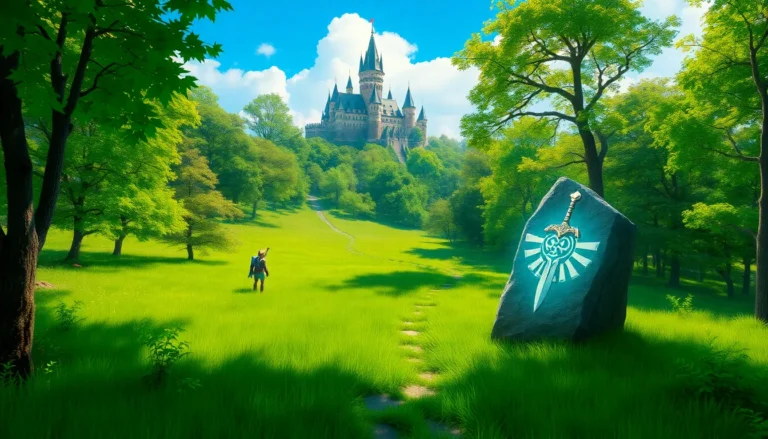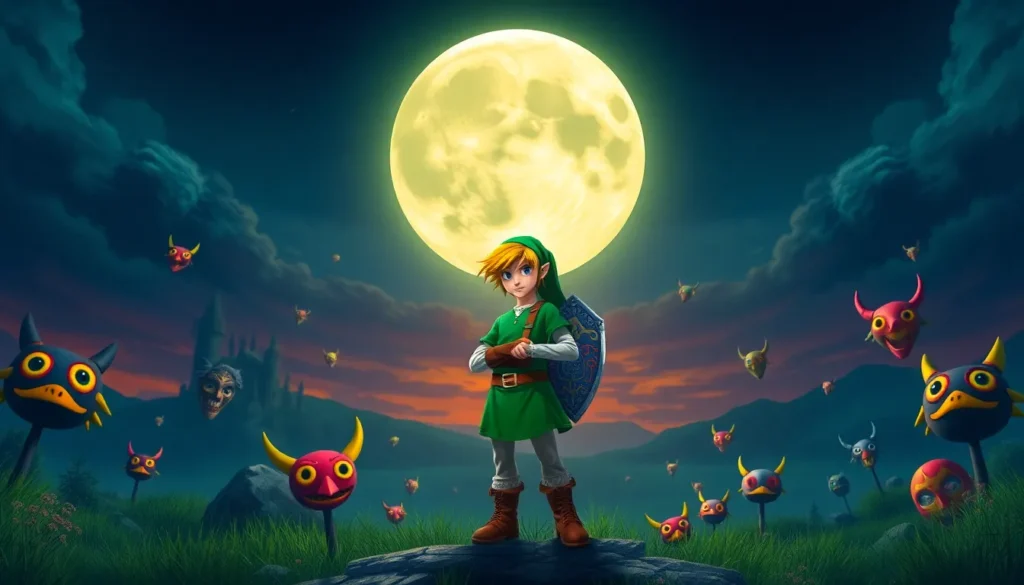

If you’ve ever wondered what happens when you blend time travel with an apocalyptic moon, look no further than “Zelda: Majora’s Mask.” This classic game from the ’90s serves not only as a sequel to “Ocarina of Time” but also as a psychological jump into fear, time, and existential dread, while you collect some seriously funky masks. Not just for the hardcore fans, this article unpacks everything essential about the game, making it a must-read whether you’re a lifelong player or just poking around in the realm of Hyrule. Grab your ocarina, because it’s time to jump into the chaotic and whimsically dark world of Majora’s Mask.
Overview of Majora’s Mask
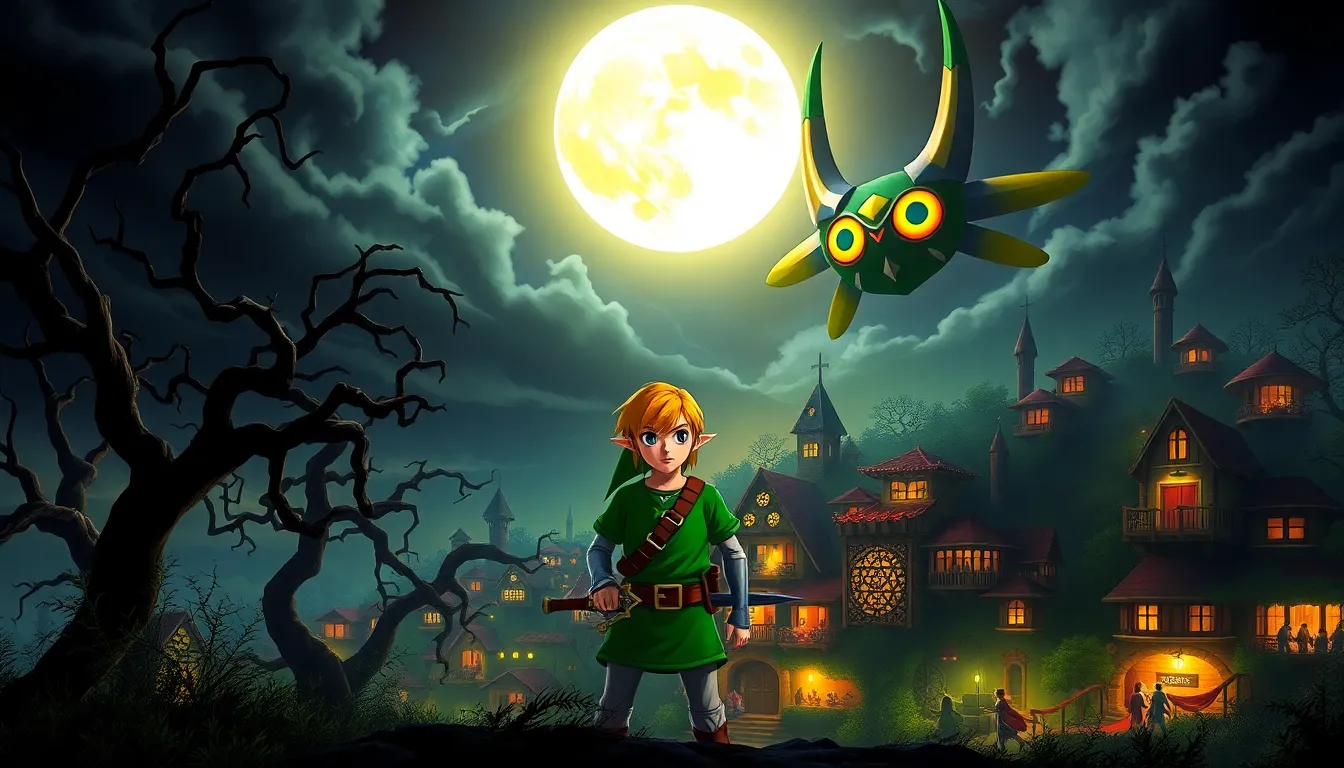
“Zelda: Majora’s Mask” is not your typical installment in the Legend of Zelda series. Released in 2000 for the Nintendo 64, it takes players down a darker and more complex path compared to its predecessor. At the heart of this adventure lies the story of Link, who finds himself in the mysterious land of Termina, a place that’s not just quirky but plagued with impending doom as the moon threatens to crash into it in just three days.
The Story Behind the Game
The plot kicks off when Link embarks on a quest to retrieve his stolen horse, Epona. But, he quickly discovers that Termina is on the brink of disaster, with only a mere 72 hours (or three game days) to save the world. The storyline is rich with themes of loss, time, and redemption, pulling players into a narrative filled with intriguing characters and mystical settings. Each cycle through the three days allows Link to experience the lives of the inhabitants of Termina, creating a deeper emotional engagement than seen in many other games.
Gameplay Mechanics
The gameplay in Majora’s Mask is as distinctive as its story. Unlike the standard Zelda formula that often emphasizes exploration and combat, this installment focuses heavily on time management.
Time Management System
Central to the game is the time system, where every action occurs in a constant three-day cycle. Players have to carefully manage their time, deciding when to complete specific quests and how best to save the world before the moon crashes down. Use the Ocarina of Time to manipulate time, allowing Link to slow down, speed up, or even reset the cycle. This unique mechanic encourages strategic thinking and offers a tense yet exhilarating experience.
Masks and Transformation Mechanics
Another key aspect of gameplay revolves around the collection of masks. Link has the ability to don various masks that transform him into different beings, like a Goron or Zora. Each form has its special abilities, creating a layer of depth to the puzzles and challenges. The masks serve not just as tools but as a means to explore identity and growth within the game, turning standard gameplay into something far richer and more meaningful.
Quests and Side Activities
Spanning a dark and engaging narrative, “Majora’s Mask” features a wide variety of quests that make the gameplay experience even more robust and fulfilling.
Main Quests
The primary quests focus on understanding and preventing the impending disaster. Each of the four main areas in Termina presents unique challenges, all leading to an eventual showdown with Skull Kid, the game’s antagonist. The quests are intricately linked to the time mechanics, requiring timely completion to maximize the outcomes before the next cycle begins.
Side Quests and Character Interactions
But, it’s the side quests that truly steal the show. Players can engage with numerous characters, many of whom have personal stories and distinct challenges. Completing these side quests often leads to valuable rewards, such as powerful masks or heart pieces, and can significantly change the narrative experiences. The emotional weight of these interactions adds layers of complexity, making “Majora’s Mask” resonate on a personal level.
Art Style and Soundtrack
Visually and musically, “Majora’s Mask” sets itself apart in the Zelda franchise, leaving a profound impact on its audience.
Visual Design and Atmosphere
The art style conveys an eerie yet whimsical atmosphere. The character designs are both surreal and compelling, with bright colors that contrast sharply with the game’s darker themes. The environments are richly detailed, immersing players in the unique lore of Termina. Every corner and shadow feels alive, enhancing the urgency and consequent dread of the impending apocalypse.
Musical Impact and Themes
Accompanying the visuals is a soundtrack that enhances the overall emotional tone. Composed by Koji Kondo, the music features haunting melodies that perfectly capture the game’s themes of time and fate. Many tracks evoke feelings of nostalgia, sadness, or urgency, further drawing players into the existential struggle that defines the game.
Cultural Impact and Legacy
After its release, “Majora’s Mask” became a subject of deep analysis, garnering both praise and critique from gamers and critics alike.
Reception and Critique
Though not as commercially successful as some other entries in the Zelda series, the game garnered a cult following. Its unconventional gameplay mechanics and darker themes prompted intense discussions about narrative depth in video games. Critics highlighted its innovative approach, and players praised its emotional weight, even years after its launch.
Influence on Future Zelda Titles
The impact of “Majora’s Mask” can be traced through many subsequent Zelda titles. Elements like time manipulation and complex side quests can be seen in other entries, demonstrating its lasting legacy. Games today continue to draw inspiration from its unique narrative structures and emotional storytelling, ensuring that Link’s adventure in Termina remains relevant and influential.