Zelda trends 2026 point to an exciting year for fans of Nintendo’s legendary action-adventure series. The franchise has captivated players for nearly four decades, and anticipation continues to build for what comes next. From potential game releases to shifts in community culture, several developments are taking shape. This article breaks down what players can expect from Zelda in 2026, covering new titles, gameplay innovations, fan activity, and hardware considerations. Whether someone is a longtime fan or new to Hyrule, these Zelda trends 2026 predictions offer a clear picture of where the series is heading.
Table of Contents
ToggleKey Takeaways
- Zelda trends 2026 suggest a potential new mainline game or remastered classics like Wind Waker and Twilight Princess for Nintendo’s next-gen console.
- Player creativity tools and sandbox mechanics from Tears of the Kingdom will likely expand in future Zelda titles with enhanced physics and building systems.
- The 40th anniversary of The Legend of Zelda in February 2026 will spark a surge of nostalgia-driven content, merchandise, and community celebrations.
- Accessibility features and co-op multiplayer elements are expected to become more prominent in upcoming Zelda releases.
- Nintendo’s Switch successor will bring enhanced visuals, higher resolutions, and smoother performance to the Zelda franchise while maintaining portable play.
- Content creators and speedrunners will continue driving Zelda community engagement through theory videos, challenge runs, and major gaming events.
Anticipated Game Releases and Updates
Nintendo has remained tight-lipped about its 2026 Zelda lineup, but patterns and industry signals suggest several possibilities. Following the success of Tears of the Kingdom in 2023, fans expect another major console entry within the next few years. A 2026 release window fits Nintendo’s typical development cycle for mainline Zelda games.
Remakes and remasters also remain strong contenders. Titles like The Wind Waker and Twilight Princess have long been requested for modern platforms. With the Switch successor likely launching in 2025 or early 2026, updated versions of classic games could serve as launch window releases. Nintendo has a history of using Zelda remasters to showcase new hardware capabilities.
Mobile gaming is another area to watch. Echoes of Wisdom introduced a fresh perspective with Zelda as the playable protagonist in late 2024. If that title performs well, Nintendo may greenlight similar spin-offs or sequels by 2026. The company has shown willingness to experiment with the franchise’s formula.
DLC and post-launch content could also shape Zelda trends 2026. Nintendo has embraced expansion passes for major releases, and any new title will likely follow this model. Players should expect story expansions, new dungeons, and cosmetic updates throughout the year.
Emerging Gameplay and Design Trends
Zelda trends 2026 will reflect broader shifts in game design philosophy. Open-world exploration has become the series standard since Breath of the Wild, and future entries will likely expand on this foundation. Expect larger maps, more verticality, and increased environmental interactivity.
Player creativity tools are gaining importance. The Ultrahand and Fuse mechanics in Tears of the Kingdom let players build custom vehicles, weapons, and structures. This sandbox approach resonated with millions of players. Future Zelda games will probably include similar creation systems, possibly with enhanced physics engines and more building components.
Narrative design may shift toward more character-driven stories. Echoes of Wisdom demonstrated Nintendo’s willingness to put Zelda herself in the spotlight. This opens doors for deeper character development and fresh perspectives on Hyrule’s lore. Multiple playable characters could become a recurring feature.
Accessibility features are becoming standard across the industry. Nintendo has gradually added options like control remapping and difficulty adjustments. Zelda trends 2026 will likely include more accessibility options, making games approachable for players with different needs. This aligns with Nintendo’s family-friendly brand positioning.
Co-op and multiplayer elements might expand as well. While Zelda has traditionally been a single-player experience, games like Tri Force Heroes proved multiplayer can work. Online features or local co-op modes could appear in future releases.
Community and Fan Culture Predictions
The Zelda community shows no signs of slowing down. Fan culture will continue driving engagement through 2026 and beyond. Speedrunning remains a major draw, with dedicated players constantly discovering new techniques and routes. Major events like Games Done Quick consistently feature Zelda titles in their lineups.
Content creation around Zelda trends 2026 will flourish. YouTube and Twitch creators have built massive audiences around Zelda content. Theory videos, challenge runs, and build showcases generate millions of views. This ecosystem keeps interest alive between official releases.
Fan art and music communities remain incredibly active. Artists share illustrations, animations, and remixes across social media platforms daily. Nintendo has generally tolerated fan creations, and this relationship should continue. The 40th anniversary of the original Legend of Zelda arrives in February 2026, which will likely spark a surge in nostalgic content.
Modding communities could grow if Nintendo releases games on more open platforms. PC releases remain unlikely, but the modding scene for emulated titles continues to produce impressive work. Custom dungeons, character skins, and quality-of-life improvements attract dedicated player bases.
Merchandise and collectibles will expand as well. Nintendo has partnered with companies for high-end figurines, clothing lines, and home goods. The anniversary year will probably bring limited edition products and special collaborations.
Hardware and Platform Expectations
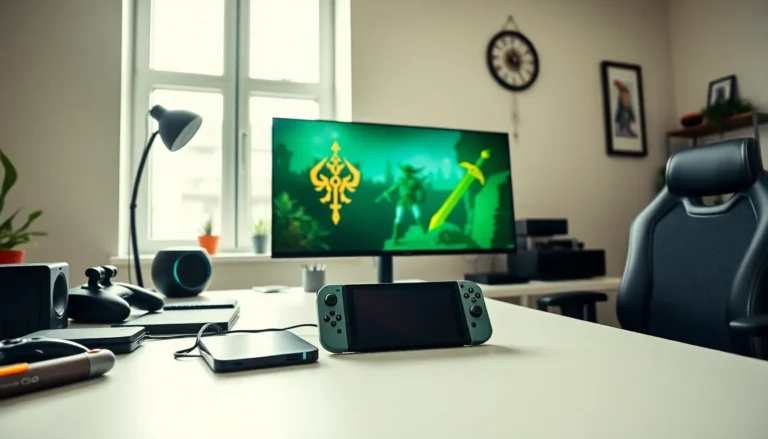
Zelda trends 2026 are closely tied to Nintendo’s hardware plans. The Switch successor, often called “Switch 2” in speculation, will likely define how players experience new Zelda content. Reports suggest stronger processing power, improved graphics capabilities, and backward compatibility with existing Switch games.
New hardware means enhanced visual fidelity for Zelda. Players can expect higher resolutions, improved lighting effects, and smoother frame rates. The art direction will remain stylized, but technical improvements will make Hyrule more immersive than ever.
Cloud gaming could play a larger role. Nintendo has experimented with cloud versions of demanding titles on Switch. A more powerful system might reduce reliance on streaming, but cloud options could make games accessible across devices.
Portable play remains central to Nintendo’s strategy. Any new Zelda game will be designed with handheld mode in mind. This dual-purpose approach influences game design decisions, from UI scaling to battery optimization.
Virtual Reality and augmented reality remain question marks. Nintendo has avoided VR even though industry trends, preferring more accessible technologies. But, experimental features using motion controls or camera-based interactions aren’t out of the question for Zelda in 2026.